Groceries Deals Roundup: Top Picks and Savings for Worldwide Shoppers in 2026
In 2026, navigating the grocery aisles can feel like a strategic mission. With global economic shifts and fluctuating prices, every shopper is on the hunt for the best deals to stretch their budget further. But fear not, savvy consumers! This comprehensive groceries deals roundup is your ultimate guide to uncovering top picks and maximizing savings, no matter where you are in the world. We’ll delve into smart shopping strategies, highlight key categories for savings, and empower you to become a master of your grocery budget.
Mastering the Art of Grocery Savings in 2026
Saving money on groceries isn't just about finding sales; it's about adopting a mindful and strategic approach to your entire shopping process. Here’s how to start:
Strategic Planning: Your First Step to Savings
- Meal Planning: Before you even think about stepping into a store, plan your meals for the week. This reduces impulse buys and ensures you only purchase what you need. Consider incorporating ingredients that can be used in multiple dishes to minimize waste.
- Make a List (and Stick to It): A well-organized shopping list is your best friend. Categorize items by aisle to save time and prevent backtracking, which often leads to picking up unnecessary items.
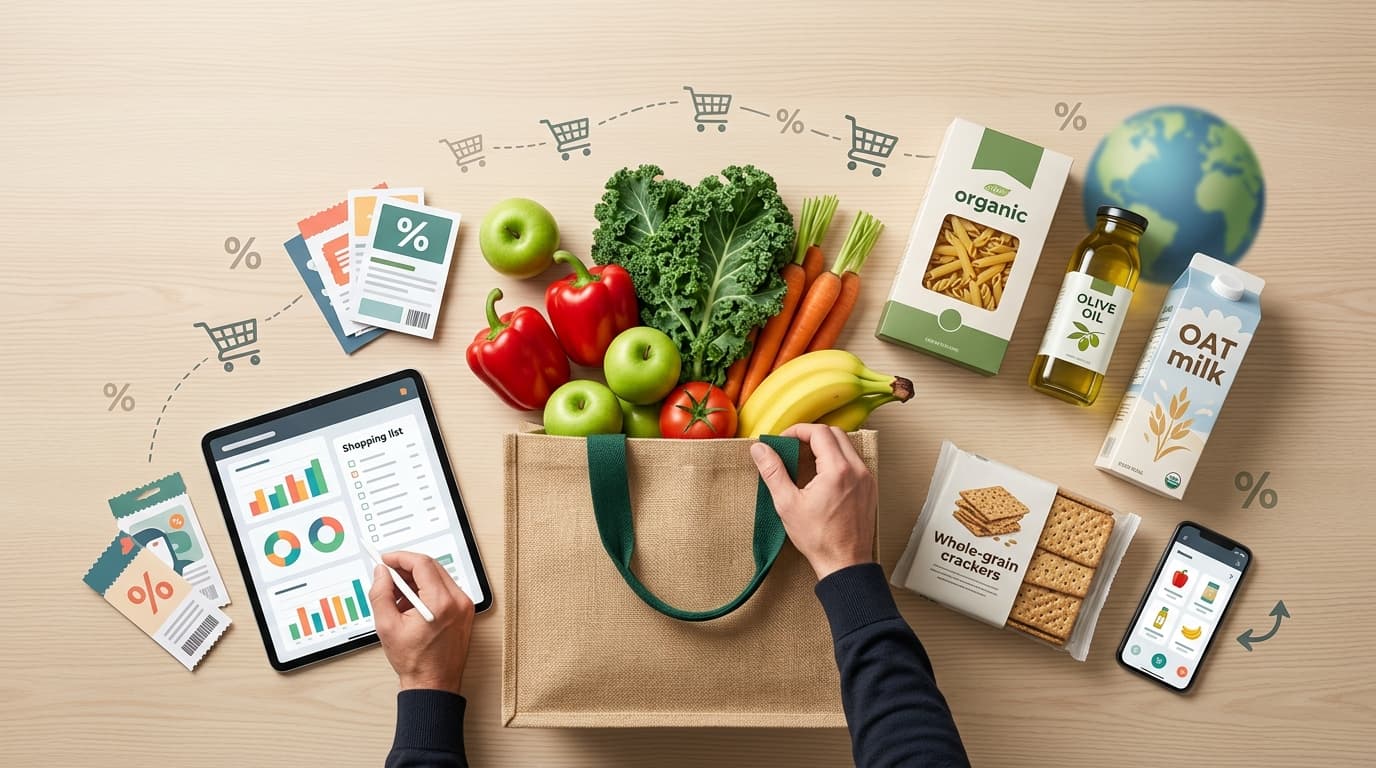
- Check Flyers and Apps: Most major retailers worldwide release weekly flyers or have digital apps showcasing their current promotions. Compare prices across different stores in your area before you shop. Many apps also offer personalized discounts based on your shopping history.
Bulk Buying vs. Unit Price: Know the Difference
While buying in bulk often seems like a no-brainer for savings, it’s crucial to look at the unit price (price per ounce, per gram, per count). Sometimes, a smaller package on sale can be cheaper per unit than a large bulk item. Bulk buying is excellent for non-perishable pantry staples like rice, pasta, canned goods, or frozen vegetables, especially from warehouse clubs like Costco, Makro, or similar large-format stores found globally. Always ensure you have adequate storage space and will consume the product before it expires.
Leverage Loyalty Programs and Digital Coupons
Don't underestimate the power of loyalty programs. Supermarket chains across Europe, Asia, the Americas, and Australia offer loyalty cards that provide exclusive discounts, accumulate points for future savings, or even give personalized offers. Many stores also have robust digital coupon systems accessible via their websites or apps. Take a few minutes before shopping to load these coupons onto your loyalty account – it can lead to significant savings at checkout without extra effort.
Explore Diverse Shopping Avenues
Your local supermarket isn't the only place to find great deals. Consider:
- Local Farmers' Markets: Often, you can find fresh, seasonal produce at competitive prices directly from growers. This also supports local economies.
- Discount Supermarkets: Chains like Aldi and Lidl, prevalent in many parts of the world, are renowned for their low prices on everyday essentials and unique weekly specials.
- Ethnic Grocery Stores: These stores often have excellent prices on spices, grains, and specialty produce that can be more expensive elsewhere.
Top Picks for Savings: Global Grocery Categories
Let's pinpoint where you can find the most impactful savings across different grocery categories.
Pantry Staples: The Foundation of Frugal Meals
Stocking up on non-perishable items when they’re on sale is a golden rule. Look for deals on:
- Grains and Legumes: Rice, pasta, dried beans, lentils, and oats are incredibly versatile and cost-effective.
- Canned Goods: Tomatoes, beans, corn, and tuna are excellent for quick, nutritious meals.
- Oils and Condiments: These last a long time, so buying larger bottles during a sale can save you money in the long run.
- Coffee and Beverages: For many, coffee is an essential pantry item. For those who appreciate convenience without compromising on quality, consider exploring innovative options. For instance, discovering the bold and smooth flavors of Javvy Coffee can revolutionize your morning routine. Their premium coffee concentrates are designed for busy professionals and athletes, offering an exceptional taste and a quick energy boost. It’s a smart way to get your caffeine fix and even some protein, making it a valuable addition to a well-stocked and efficient pantry.
Fresh Produce: Seasonal Delights for Less
Buying fruits and vegetables that are in season in your region is almost always cheaper and ensures peak freshness and flavor. For example, berries in summer, root vegetables in winter. Don't shy away from frozen fruits and vegetables either; they are often picked at their peak and flash-frozen, retaining nutrients and offering a budget-friendly alternative.
Dairy and Alternatives: Smart Choices
Keep an eye out for sales on milk, cheese, and yogurt. Plant-based alternatives like almond, soy, or oat milk often go on promotion, providing an opportunity to try new options or stock up if they’re staples in your household. Check expiration dates carefully and consider freezing items like cheese or butter if buying in larger quantities.
Meat, Poultry, and Seafood: Protein on a Budget
Protein sources can be a significant part of your grocery bill. Look for:
- Sales on Larger Cuts: Buying a whole chicken or a larger cut of meat and portioning it yourself can be more economical.
- Manager's Specials: Often found towards the end of the day, these are items nearing their sell-by date but are perfectly fine to cook or freeze immediately.
- Alternative Proteins: Incorporate more plant-based proteins like lentils, chickpeas, or tofu into your diet, which are typically much cheaper than meat.
Advanced Saving Strategies for the Savvy Shopper
Price Matching and Rain Checks
Some retailers offer price matching, where they will match a competitor's advertised price. Always check your local store's policy. Rain checks allow you to purchase a sale item at the advertised price even if it's out of stock, ensuring you don't miss out on a good deal.
Minimize Food Waste
One of the biggest drains on a grocery budget is food waste. Implement strategies like:
- Proper Storage: Learn how to store different foods to maximize their shelf life.
- Creative Leftovers: Transform leftovers into new meals (e.g., roasted chicken into a salad or soup).
- "Use It Up" Meals: Dedicate one meal a week to using up ingredients that are about to expire.
Embrace "Ugly" Produce
Many supermarkets and specialty stores now offer "ugly" or imperfect produce at a discount. These fruits and vegetables are just as nutritious and delicious as their perfect-looking counterparts, making them an excellent way to save money and reduce food waste.
Conclusion
Saving money on groceries in 2026 is entirely achievable with the right mindset and strategies. From meticulous meal planning and leveraging digital deals to exploring diverse shopping avenues and minimizing food waste, every step you take contributes to a healthier budget. By becoming an informed and strategic shopper, you not only save money but also gain a greater appreciation for the food you buy and consume. Start implementing these tips today and watch your savings grow!
Related Articles
Explore more articles you might like